Lucid Air Maintenance Cost: Service Requirements and Long-Term Expenses
Electric powertrains avoid many combustion-engine service items, but Lucid Air ownership still includes tyres, brakes, filters, fluids, inspections and occasionally expensive repairs. A realistic budget distinguishes scheduled service from unexpected repairs.
For international readers, this guide explains the decisions and documents to compare rather than claiming that prices or legal rules are identical in every country. Figures and availability change by region, date and exact vehicle configuration.
Consult the owner documentation for the exact model year and driving conditions. Cabin filters, brake checks, tyre rotation and other inspections can be needed even without engine oil changes. Retain dated service records and ask the service center which work is necessary, recommended or optional.
Large, performance-oriented tyres can be a major recurring cost, particularly where alignment, pothole damage or spirited driving affects wear. Review vehicle-approved sizes, load and speed ratings, and the effect of wheel options on ride and efficiency. Do not fit a cheaper tyre merely because its dimensions match.
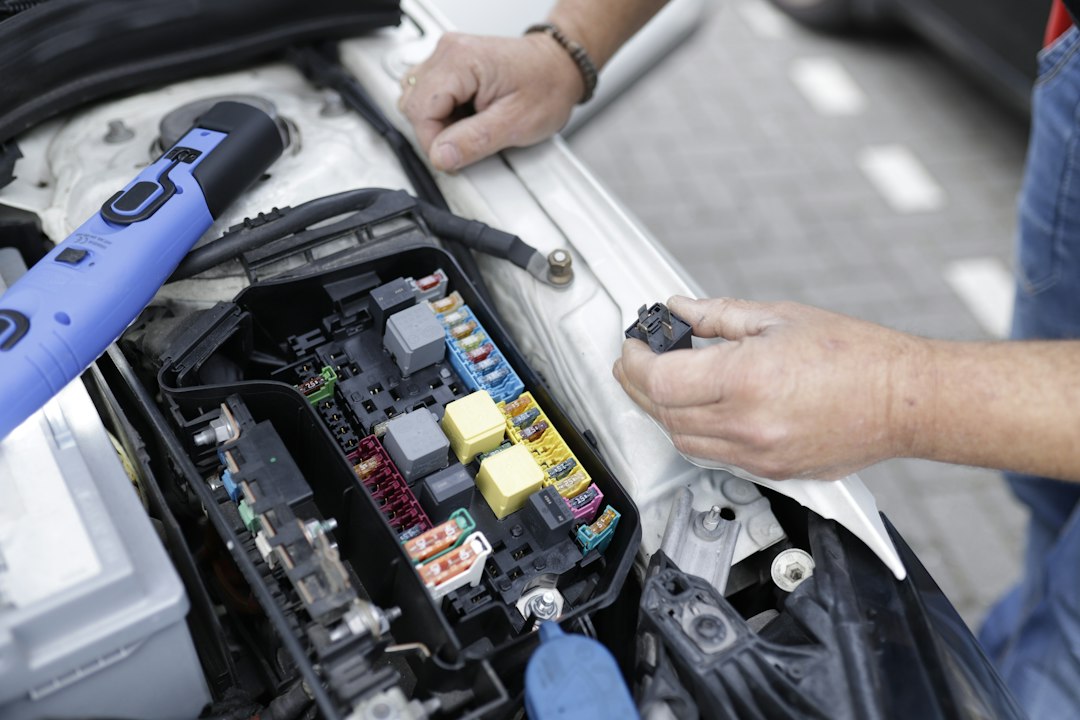
Sensors, glass, exterior panels, electronics and suspension components can require specialised diagnosis and calibration. Request itemised estimates showing diagnostic time, parts, taxes and labour rates. Ask how long parts typically take to arrive and whether an authorised facility is required for warranty-covered work.
Track predictable annual expenses separately from a repair reserve, insurance premium, registration and charging costs. Review warranty periods and exclusions to avoid counting ordinary wear items as free repairs. A maintenance budget should be updated with actual ownership history rather than a universal estimate quoted for every market.
Create a one-page worksheet with the vehicle or policy specification, current date, country, initial outlay, recurring cost, contract exclusions, the provider’s written quote and any event that changes the amount due. Compare at least two equivalent offers instead of ranking providers on an isolated advertised figure.
If a quotation makes a guarantee, ask the seller to identify the contract clause that supports it. Save the final signed documents and any written confirmation of features or coverages, because a promotional headline is not a substitute for the governing agreement.
The US commonly uses APR, deductibles and EPA vehicle-range estimates; the UK may discuss excess, finance agreements and WLTP test figures; Australia frequently uses excess, finance and local safety or registration rules. These are not interchangeable. Verify vehicle availability, warranty coverage, insurance and lending requirements in the country where the car will actually be registered.
No. It typically has fewer engine-related service tasks but still needs regular safety and condition checks.
They vary with tyre selection, vehicle weight, driving pattern and regional prices.
Use the maintenance guidance and conditions applicable to your specific vehicle.
Lucid: maintenance and warranty. The relevant provider’s current vehicle manuals, contract wording and local consumer regulator should also be consulted.
Editorial note: General educational information only; not an individual insurance quotation, financial recommendation or warranty determination. Check the relevant contracts and current local requirements.