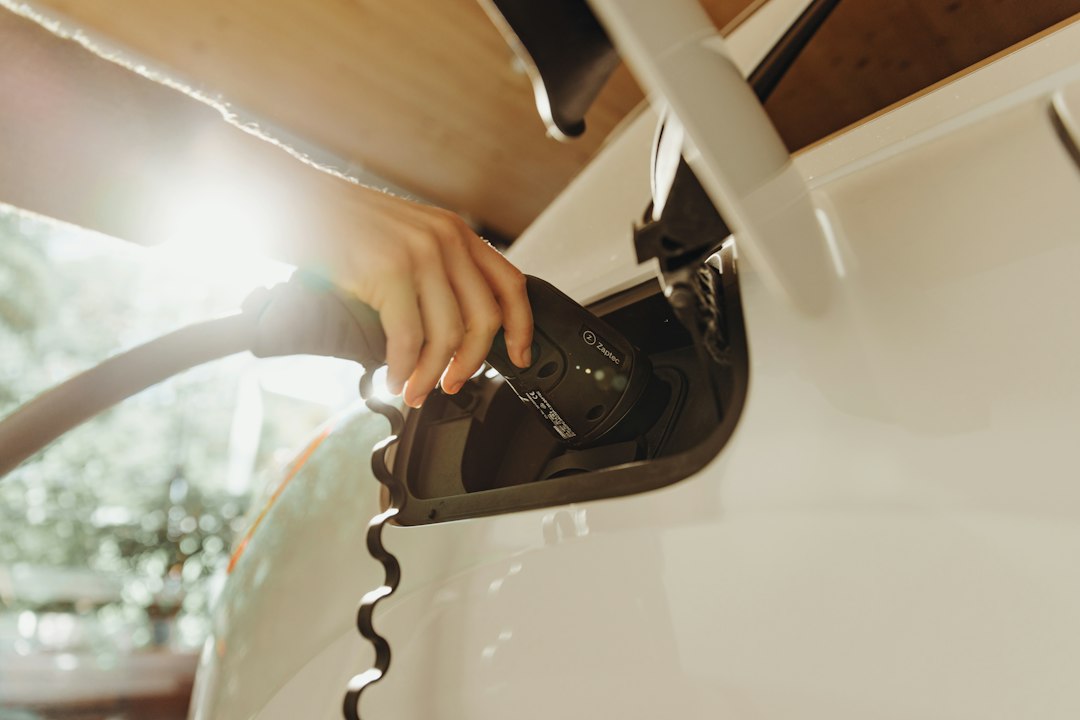
Lucid Air Home Charger Installation Cost: Equipment, Electrical Work, and Fees
Charging a Lucid Air at home can make ownership more convenient, but the final installation budget depends on the property as much as the charging unit. Plan the circuit, electrical capacity and permit before shopping by charger price.
For international readers, this guide explains the decisions and documents to compare rather than claiming that prices or legal rules are identical in every country. Figures and availability change by region, date and exact vehicle configuration.
Discuss appropriate charging capability with Lucid and a licensed electrician. Level 1 charging may use existing outlets where permitted but is slower; Level 2 uses dedicated electrical equipment and a correctly designed circuit. Charger power settings, vehicle capability and home electrical capacity should be checked together.
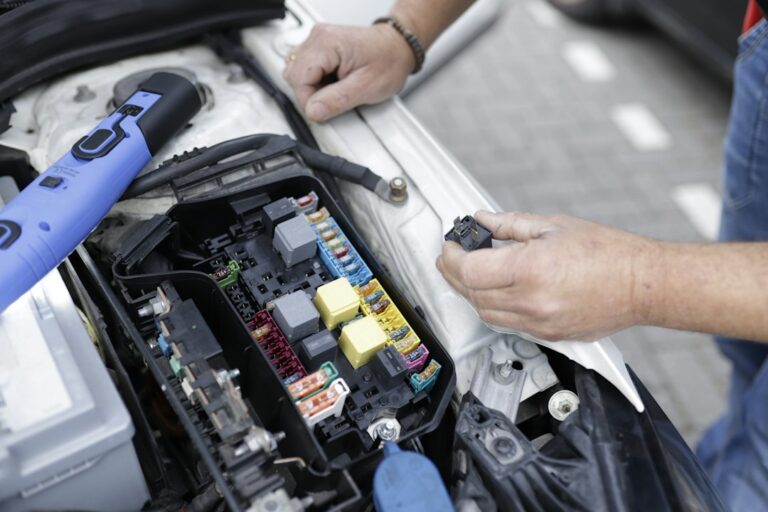
Ask for charger hardware, cable length, dedicated circuit, breaker, protective devices, conduit, labour, permit, inspection and any load-management system as separate lines. Long cable runs, a detached garage or major panel upgrades can materially increase the total. Never assume an online hardware price is the installed cost.
A qualified electrician should assess electrical load and comply with local codes. Review weather exposure, impact protection, cable routing, Wi-Fi reliability and how guests or multiple EVs will use the charger. Smart load management may avoid unnecessary service upgrades in some homes, but compatibility must be verified.
Compare off-peak tariffs, charging efficiency and your actual mileage, not just advertised ‘miles per hour’ of charging. A charging schedule can shift demand to lower-cost periods where such tariffs exist. Check local utility guidance and incentives, including eligibility dates, before relying on a rebate.
Create a one-page worksheet with the vehicle or policy specification, current date, country, initial outlay, recurring cost, contract exclusions, the provider’s written quote and any event that changes the amount due. Compare at least two equivalent offers instead of ranking providers on an isolated advertised figure.
If a quotation makes a guarantee, ask the seller to identify the contract clause that supports it. Save the final signed documents and any written confirmation of features or coverages, because a promotional headline is not a substitute for the governing agreement.
The US commonly uses APR, deductibles and EPA vehicle-range estimates; the UK may discuss excess, finance agreements and WLTP test figures; Australia frequently uses excess, finance and local safety or registration rules. These are not interchangeable. Verify vehicle availability, warranty coverage, insurance and lending requirements in the country where the car will actually be registered.
No; it depends on spare electrical capacity, the charger selected and load-management options.
Professional electrical work and permits are commonly required; follow local law and manufacturer guidance.
Compatibility depends on connector, vehicle, market and charging specifications. Confirm before purchasing.
U.S. DOE Alternative Fuels Data Center: charging at home. The relevant provider’s current vehicle manuals, contract wording and local consumer regulator should also be consulted.
Editorial note: General educational information only; not an individual insurance quotation, financial recommendation or warranty determination. Check the relevant contracts and current local requirements.