
Used Lucid Air Buying Guide: Battery Health, Warranty, and Depreciation
Buying a used Lucid Air can reduce the entry price to luxury EV ownership, but the purchase should follow a structured inspection of vehicle history, high-voltage systems, software, warranty transferability and charging equipment.
For international readers, this guide explains the decisions and documents to compare rather than claiming that prices or legal rules are identical in every country. Figures and availability change by region, date and exact vehicle configuration.
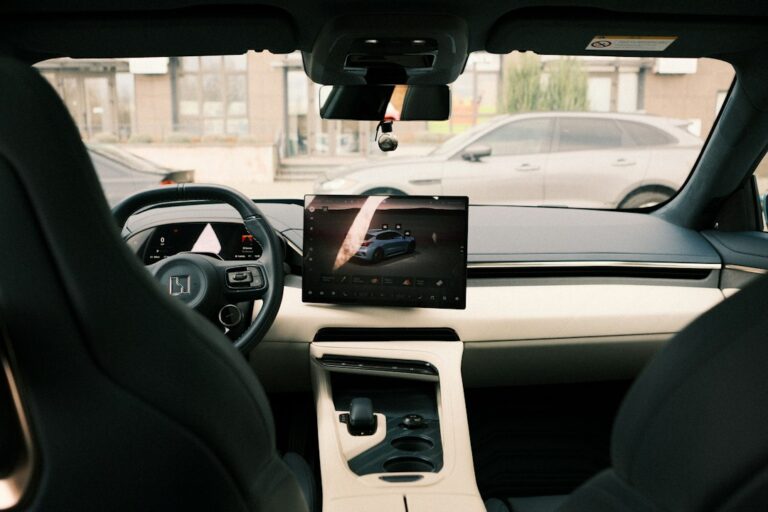
Verify the model year, trim, wheel size, driver-assistance package and actual options using the VIN and official records. An advertised feature may have been optional or subject to subscription. Ask the seller to demonstrate major cabin, climate, charging and connectivity functions rather than assuming every Air is equipped identically.
Estimated range changes with weather, driving habits and charging conditions. Request available battery state-of-health information through an authorized service process where possible; a dashboard estimate alone is not a battery diagnosis. Review charging history and any persistent fault warnings, and pay for an independent EV-capable inspection.
Lucid publishes warranty documents by model year and purchase timing. Confirm the in-service date, mileage, eligibility for transfer and local service arrangements in writing. An imported car may not receive the same regional support as a domestically supplied vehicle. Ask about outstanding recalls, prior repairs and software updates.
Compare recently advertised and completed sales where available, adjusting for mileage, condition, age, accident history and equipment. Calculate taxes, registration, insurance, tyres, charging, inspection and financing in addition to the asking price. Avoid purchasing solely because a used listing appears far below a historic new-car MSRP.
Create a one-page worksheet with the vehicle or policy specification, current date, country, initial outlay, recurring cost, contract exclusions, the provider’s written quote and any event that changes the amount due. Compare at least two equivalent offers instead of ranking providers on an isolated advertised figure.
If a quotation makes a guarantee, ask the seller to identify the contract clause that supports it. Save the final signed documents and any written confirmation of features or coverages, because a promotional headline is not a substitute for the governing agreement.
The US commonly uses APR, deductibles and EPA vehicle-range estimates; the UK may discuss excess, finance agreements and WLTP test figures; Australia frequently uses excess, finance and local safety or registration rules. These are not interchangeable. Verify vehicle availability, warranty coverage, insurance and lending requirements in the country where the car will actually be registered.
Potentially, depending on model year, original in-service date, mileage and applicable conditions.
No. It is only a prompt to investigate under controlled diagnostic conditions.
A detailed inspection report together with VIN-specific service and warranty records.
Lucid warranty information. The relevant provider’s current vehicle manuals, contract wording and local consumer regulator should also be consulted.
Editorial note: General educational information only; not an individual insurance quotation, financial recommendation or warranty determination. Check the relevant contracts and current local requirements.