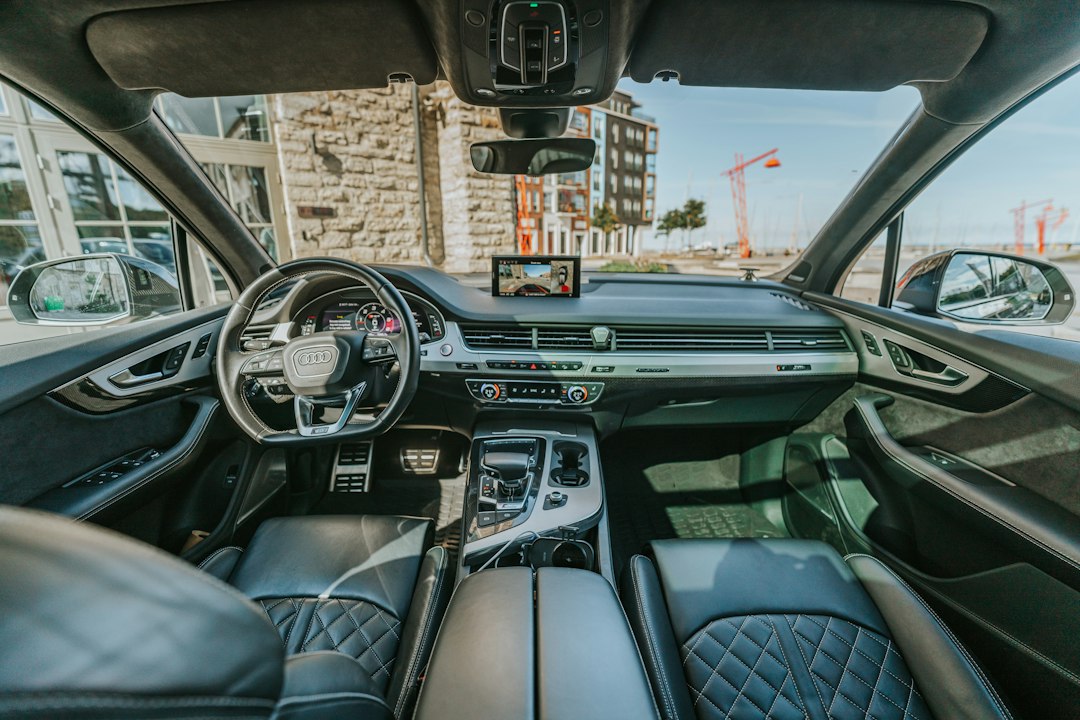
Luxury Electric Vehicle Insurance: How to Compare Premiums and Coverage
Insurance for a luxury electric vehicle is about protection quality as well as price. Battery systems, specialised repair centres and advanced electronics can make the details of an insurance contract especially important.
For international readers, this guide explains the decisions and documents to compare rather than claiming that prices or legal rules are identical in every country. Figures and availability change by region, date and exact vehicle configuration.
Provide each insurer with identical details about drivers, mileage, location, storage and vehicle specification. Compare annual premium with excess or deductible, liability limits, approved repair network and any restriction on replacement parts. A cheaper quote might simply shift more risk back to the policyholder.
Ask whether insured collision, water or fire damage to the high-voltage battery is addressed under the policy. Gradual capacity loss is generally a different issue associated with the manufacturer’s limited warranty, not routine accident cover. Request the exclusion language rather than relying on a salesperson’s brief answer.
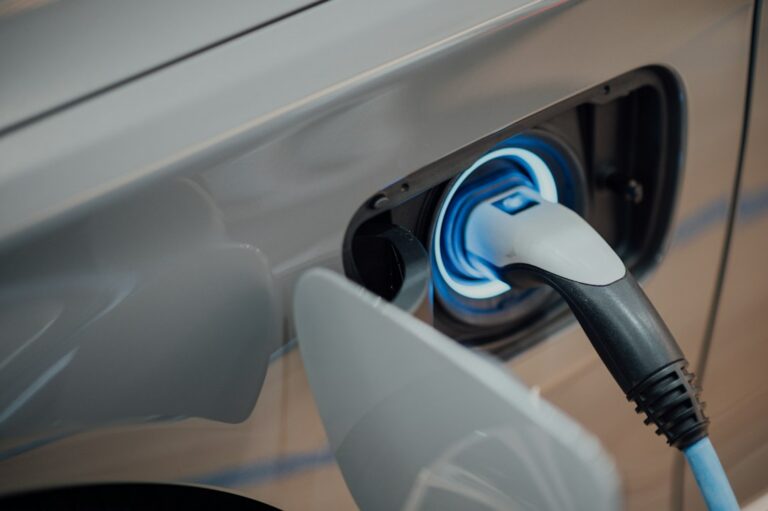
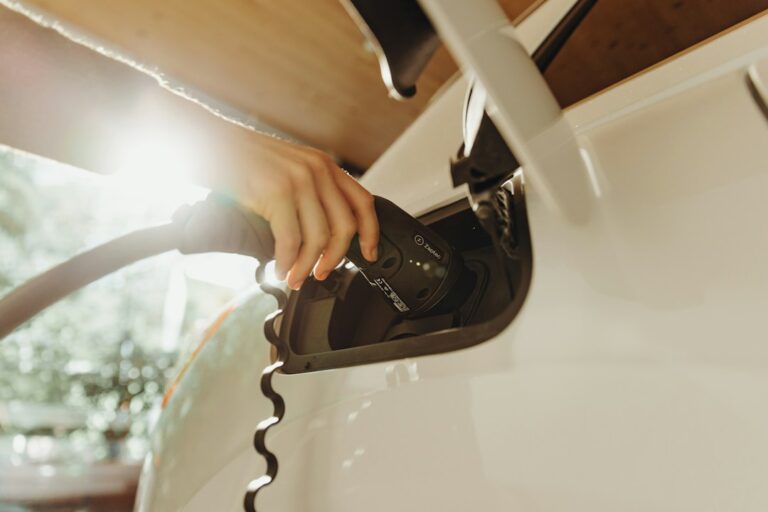
Home chargers can sometimes be insured through a home policy or a specific extension rather than the motor policy. Check cable theft, portable charging equipment and damage while connected to a public charger. Verify cover for custom wheels, paint protection and other accessories if they affect replacement costs.
Insurers may use a market-value, agreed-value or new-car replacement approach depending on the country and product. Ask how outstanding finance is settled, whether GAP is relevant and what happens when parts are unavailable. Keep invoices for accessories and maintenance.
Create a one-page worksheet with the vehicle or policy specification, current date, country, initial outlay, recurring cost, contract exclusions, the provider’s written quote and any event that changes the amount due. Compare at least two equivalent offers instead of ranking providers on an isolated advertised figure.
If a quotation makes a guarantee, ask the seller to identify the contract clause that supports it. Save the final signed documents and any written confirmation of features or coverages, because a promotional headline is not a substitute for the governing agreement.
The US commonly uses APR, deductibles and EPA vehicle-range estimates; the UK may discuss excess, finance agreements and WLTP test figures; Australia frequently uses excess, finance and local safety or registration rules. These are not interchangeable. Verify vehicle availability, warranty coverage, insurance and lending requirements in the country where the car will actually be registered.
Not always, but the wording must address the vehicle and risks you actually have.
Not necessarily; risk and pricing vary by insurer, driver and market.
Only if the savings and your ability to fund a claim make sense.
Association of British Insurers: buying motor insurance. The relevant provider’s current vehicle manuals, contract wording and local consumer regulator should also be consulted.
Editorial note: General educational information only; not an individual insurance quotation, financial recommendation or warranty determination. Check the relevant contracts and current local requirements.